
Light Novels: Exploring the World's Most Dynamic Fiction Format
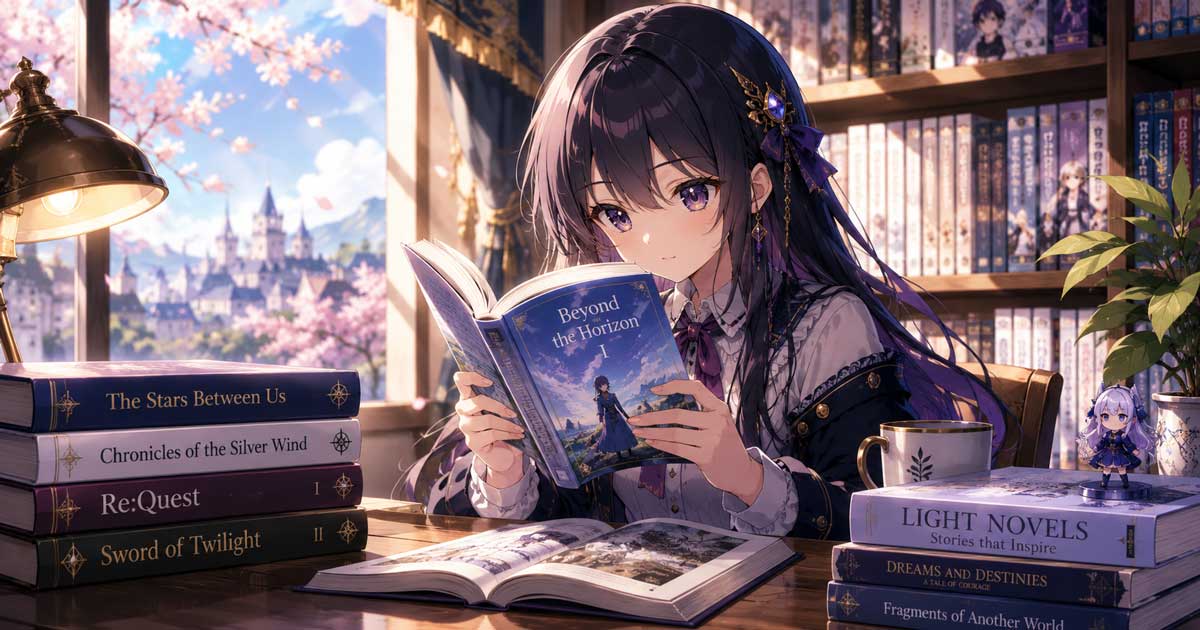
Original English Series of Isekai Light Novels — ISEKAI The Otherworlder's Heir® by Jean-Louis Vill

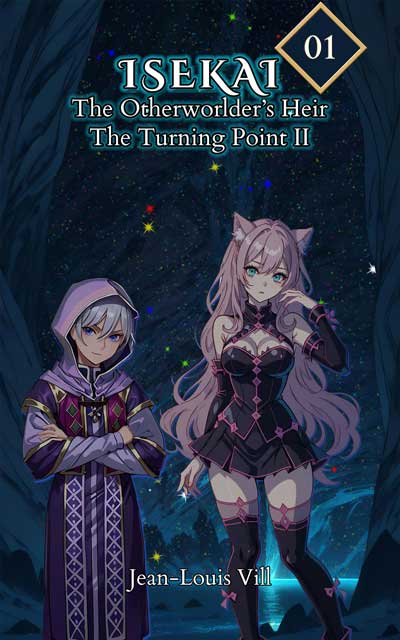
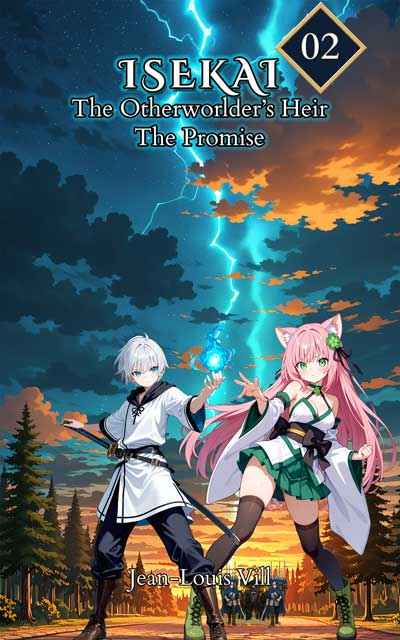
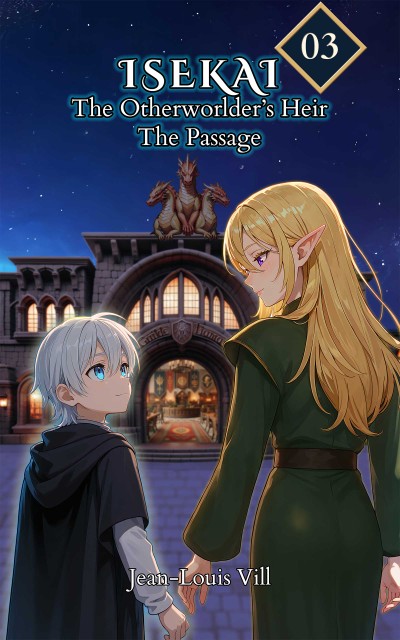

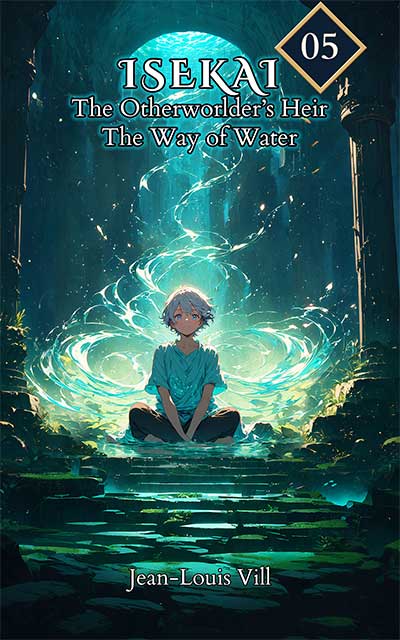
Light novels have evolved from a uniquely Japanese publishing format into a global storytelling phenomenon. Combining engaging prose, memorable illustrations, serialized narratives, and character-driven adventures, light novels have inspired millions of readers and influenced anime, manga, fantasy literature, and digital publishing around the world.
Whether you are searching for your next series, discovering the genre for the first time, or exploring how light novels continue to shape modern fantasy, this guide provides an overview of their history, genres, storytelling techniques, and worldwide impact.
What Are Light Novels?
Light novels are Japanese-style novels that combine accessible writing with visual storytelling. Originally created for young adult readers, they are typically published in relatively short volumes and accompanied by manga-style illustrations that enhance important moments throughout the story.
Although the format began in Japan, light novels have become increasingly popular worldwide, attracting readers of all ages and inspiring original works far beyond their country of origin.
Today, "light novels" refers not only to books published in Japan but also to an expanding international style of storytelling built around serialized adventures, memorable characters, and immersive fictional worlds.
Why Readers Love Light Novels
The popularity of light novels comes from their ability to combine fast-paced storytelling with emotional depth.
Readers appreciate:
- memorable protagonists;
- evolving relationships;
- detailed fantasy worlds;
- accessible writing;
- continuous long-term stories.
Rather than focusing exclusively on epic battles or complex worldbuilding, many light novels build strong emotional connections that encourage readers to follow a series across many volumes.
Popular Light Novel Genres
Although fantasy remains the most recognizable genre, light novels cover a remarkably wide range of subjects.
Popular genres include:
- Fantasy
- Isekai
- Romance
- Science Fiction
- Slice of Life
- Mystery
- Adventure
- Comedy
- Supernatural
- Historical Fantasy
Many successful series blend several genres, creating unique reading experiences that appeal to diverse audiences.
Fantasy and Isekai
Among all genres, fantasy and isekai have played the greatest role in the international success of light novels.
Isekai stories transport their protagonists into entirely new worlds filled with magic, kingdoms, monsters, and political conflicts. Over time, the genre has expanded beyond simple adventure stories to explore themes such as identity, responsibility, leadership, and personal growth.
Fantasy light novels continue to evolve, introducing increasingly sophisticated magic systems, complex societies, and morally nuanced characters.
From Japan to International Publishing
The success of light novels has encouraged publishers around the world to translate Japanese series while also supporting original works inspired by the format.
Digital bookstores, ebooks, and online communities have accelerated this international expansion, making light novels more accessible than ever before.
Today, readers can discover both translated Japanese classics and original English-language light novel series created by authors who embrace the format's strengths while developing entirely new worlds and characters.
Original English Light Novels
The growing popularity of light novels has encouraged many international authors to explore the format.
One example is ISEKAI The Otherworlder's Heir®, an original English fantasy light novel series by Jean-Louis Vill. Inspired by the strengths of Japanese light novels while presenting an original universe, the series demonstrates how the format continues to evolve beyond its origins.
Why Light Novels Continue to Grow
Several factors explain the continuing success of light novels.
- Accessible storytelling
- Strong character development
- Serialized narratives
- Rich fantasy settings
- Memorable illustrations
- Digital publishing
- International readership
- Adaptation into anime and manga
Together, these elements have transformed light novels into one of the fastest-growing forms of genre fiction.
Looking Ahead
The future of light novels extends well beyond Japan.
As more readers discover the format, original English-language series continue to emerge alongside official translations, expanding both the audience and the creative possibilities of serialized fantasy storytelling.
The distinction between web fiction, light novels, and multimedia storytelling is becoming increasingly fluid, opening new opportunities for readers and writers around the world.
Conclusion
Light novels have grown into a diverse and influential form of modern fiction. Their combination of accessible writing, serialized storytelling, compelling characters, and visual presentation continues to attract readers across cultures and generations.
Whether you enjoy epic fantasy, emotional character journeys, romantic comedies, or imaginative adventures, light novels offer an engaging reading experience that continues to shape contemporary genre fiction worldwide.